Bongsan Mask Dance
Oct 2 – Oct 4, 2026 · Seoul
Why go
Bongsan Mask Dance celebrates Bongsan Talchum, a UNESCO-listed Korean mask dance that originated in Bongsan-gun, Hwanghae-do. The festival showcases the full seven-act performance with its 36 characters and 27 masks, known for especially vibrant, lively choreography compared to other regional mask dances. Beyond the main show, the program includes mask-making, trying on traditional costumes, and a street parade leading to the venue.
Getting there from Seoul
The venue, Uijeongbu Historic Site Plaza, is in the Gwanghwamun area of Jongno-gu in central Seoul, so no intercity travel is needed. It's within easy reach of Seoul's subway network, with Gwanghwamun and Gyeongbokgung stations both nearby. City buses serving the Gwanghwamun/Sejong-daero corridor also stop close to the plaza.
Tips
- Arrive early to take part in the pre-festival mask-making and costume try-on activities.
- The event includes an outdoor street parade, so dress for the weather and wear comfortable shoes.
- Stay for the after-party to learn some talchum moves and take photos with the performers.
Best for: culture enthusiasts, photographers, families, history buffs.
Program
Korean talchum, inscribed on UNESCO's Intangible Cultural Heritage of Humanity, is a type of mask dance that transforms the joys and sorrows of the common people into excitement and exhilaration. It blends dance, music, and drama, making it difficult to categorize within Western performance genres. Although often performed in outdoor courtyards, it is not confined to specific locations. One of its distinctive features is the variety of names it is called—such as talchum, byeolsin-gut, gamyeongeuk, or sandaenori—depending on the region, each with its own unique character.
Among them, Bongsan Talchum is a mask dance that originated in Bongsan-gun, Hwanghae-do. It consists of seven acts featuring 36 characters and utilizes 27 masks, including multi-purpose masks. Compared to mask dances from other regions, Bongsan Talchum is known for its vibrant choreography and lively movements.
Bongsan Mask Dance is a festival where you can immerse yourself in everything related to Bongsan Talchum. It begins with pre-festival activities such as mask-making and trying on traditional costumes, followed by a street parade where the audience moves together to the performance venue. The main event features a Bongsan Talchum performance, followed by a lively after-party where participants can learn the dance and take commemorative photos with the performers.
Other festivals in Seoul
Seoul
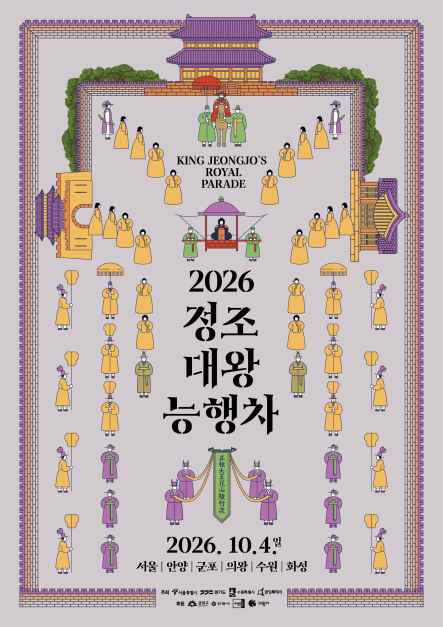
King Jeongjo's Royal Parade
Oct 4, 2026
King Jeongjo's Royal Parade to Hwaseong Fortress recreates one of the most remarkable events of the Joseon dynasty. In 1795, King Jeongjo traveled from Seoul to Suwon to celebrate the 60th birthday of his mother, Queen Heonui, sharing the eight-day journey with the people along the route. Based on records from the "Wonhaeng Eulmyo Jeongni Uigwe," the festival faithfully reenacts the royal procession with traditional costumes, performances, and ceremonial displays. Held through the cooperation of Seoul, Gyeonggi-do, Suwon, and Hwaseong, the event offers visitors a chance to experience the grandeur and spirit of a historic royal celebration.
Seoul
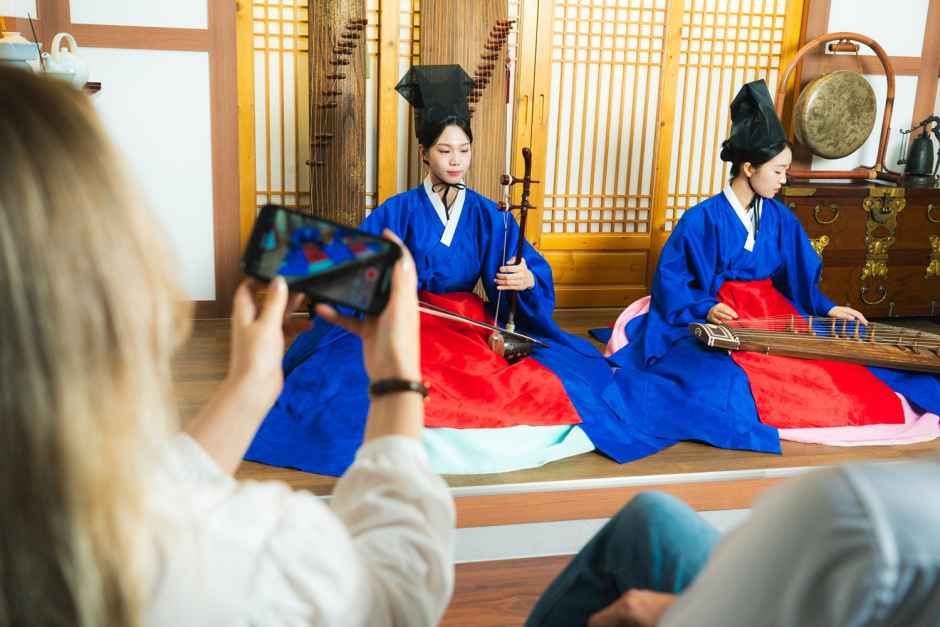
Gugak Performance Jinyeon
Jan 1 – Dec 31, 2026
The gugak performance “Jinyeon, The Music of the Royal Banquet” offers a unique opportunity to experience the diversity of traditional Korean arts on a single stage. Set in an intimate venue designed in the style of a traditional Korean house, it allows for close interaction between the audience and performers. The program features a wide range of music performed on traditional instruments, spanning Korean music, K-pop, classical pieces, and world folk songs. As an all-in-one performance, it brings together elements of Korean culture, sound, instruments, and live performance into a single immersive experience.
Seoul
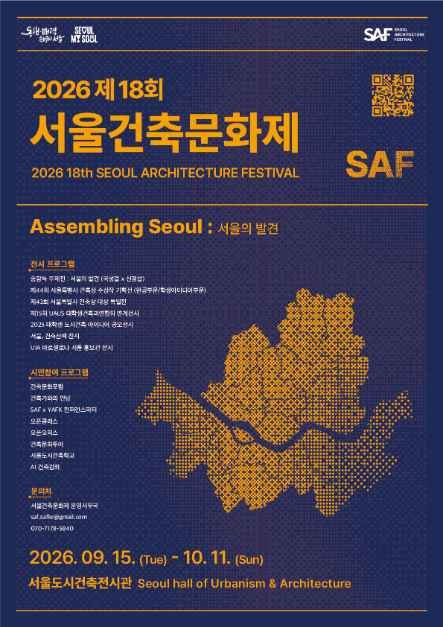
Seoul Architecture Festival
Sep 15 – Oct 11, 2026
The Architecture Festival aims to rediscover the unique architectural and urban charms of Seoul together with its citizens. Seoul generates creative potential based on “complex density”—a fusion of history, culture, and regional identity characteristic of a high-density city. Furthermore, amid rapid social change, the city has continuously adapted through “accelerated evolution,” which involves rapidly renewing its form based on its accumulated heritage. Moreover, through “glocality”—the intersection of local context and global trends—Seoul is expanding the unique urban experiences and values of contemporary K-architecture to the world.
Reach travelers heading to Seoul: sponsor this page.
Dates and programs can change. Check the official site before you go.